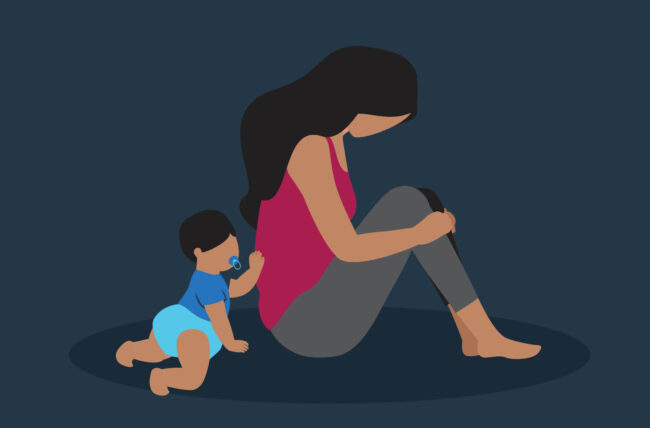
Your bedroom thoughts will certainly change when a baby enters your home. Your bedroom was probably a place for quiet rest and peace, as well as expressing your sexuality. Many of these things seem distant with a newborn.
It will change over time. Your body will heal. You will become more comfortable in your new role of parent. You’ll eventually think less “Let’s sleep” and more “Let’s get active.”
Jacqueline Zuponcic DO , Ob/Gyn, says that postpartum sex should be discussed more. There’s a lot that happens physically and mentally following the birth of a child, which will impact your sex.
We spoke with Dr. Zuponcic to find out what you can look forward to in your sexual life after childbirth.
What is the difference between’medically ready’ and’ready to go’
All births are unique. All postpartum experience are different. All sexual desires are different.
Dr. Zuponcic says that just because your doctor has cleared you to engage in sexual activity physically doesn’t mean that you are ready for sex.
Dr. Zuponcic explains that “sexual desire is determined by bio-psychosocial triggers” in women and those assigned female at birth. Sexual desire is a subconscious checklist that many women have in their minds.
You can also look at biological factors, such as hormones, physical recovery, breast tenderness, and fatigue.
Psychological issues, such as postpartum depression or baby blues, can also occur. Some people don’t feel their best if they haven’t had the time to shower and brush their teeth.
Social things are important, such as what it means to us to become parents and how we relate with our partners when in this role.
There’s also all the rest. The socks are off the floor. Have you put the dishes away? How can one baby produce so much laundry?
You may not be ready or interested in having sex yet, even if your provider tells you that you are physically ready. This is normal and should be respected. Listen to your body.
When can I have sex after having a baby?
The circumstances surrounding your delivery will determine the best time to have sexual relations after you give birth. Your provider may recommend that you wait two to six week after the birth of your baby before engaging in sexual activity.
Waiting is a good idea for a number of reasons.
Rest and recovery time is needed for your pelvic Floor muscles (the muscles that support your bladder and line your vagina). Your cervix also takes time to recover from pregnancy. During this period, infection can also spread more easily.
It’s best to avoid putting anything in the vagina until a couple of weeks have passed. “This includes tampons and saliva as well as penises, fingernails, and toys”, says Dr. Zuponcic. Your cervix is not yet shrinking back. It’s much easier for bacteria to enter the uterus after having a child and make you sick.
Vaginal delivery
Your provider may recommend that you abstain from sexual activity for six weeks if your vulva is swollen or tearing.
Dr. Zuponcic says that if you have stitches after your delivery, the sutures must dissolve and the tissue must heal before it can be strong enough to handle sexual activity. You should wait until the sutures are fully dissolved to engage in sexual activities. This includes oral sex and intercourse.
Your provider may tell you that you can resume your sexual activities as early as two weeks following the birth of your child if there were no complications.
C-section delivery
Your doctor may suggest that you refrain from sexual activity for six weeks if you have had a Cesarean Section. This is because the incision must heal for it to be free of complications. Many people who deliver babies by C-section are also dilated before giving birth. Your uterus is more susceptible to infection if the cervix, or opening of your uterus, is still wide open.
How does postpartum sex feel?
It’s possible that your sexual experiences and desires are different than what you recall for a short time. This is also perfectly normal. Dr. Zuponcic suggests taking it slowly and communicating openly with your partner.
She says that there are some things that will work and others that won’t. It’s important that you and your partner have a thoughtful, caring intercourse, and communicate well about what works and what doesn’t, especially in the beginning.
Sex after childbirth may cause some discomfort at first
It’s not okay to feel pain during sex, but you can expect some discomfort in the first few attempts after delivery. The scar tissue that results from tears is usually less elastic than the surrounding tissue. The scar often softens and organizes as it heals. Serial attempts to have sex with a partner can also help stretch the scar tissue. Remember to stay in touch with each other during these difficult times.
You may leak milk if you are nursing. Wear a bra when having sex. Also, you may be more susceptible to vaginal aridity.
When you breastfeed, your estrogen level drops, making your vaginal tissues very thin. This is in contrast to the stretchy and lubricated tissue that you are used to,” Dr. Zuponcic says.
After you stop breastfeeding or resume your period, the thin, dry tissue in your vaginal area will improve over the next few weeks. Some people also experience tenderness around their vaginal scars. This doesn’t disappear until after this period.
Speak to your doctor if sex remains painful or uncomfortable even after several attempts. The healthcare provider should be able discuss lubrication and medication options that could help. Dr. Zuponcic said that some people benefit from a type of physical therapy which strengthens the pelvic floor.
You may experience a reduced libido after pregnancy
You’ve seen a lot. You gave birth to a child. You have a newborn that depends on you day and night. It can be exhausting.
“You are doing a lot to care for a newborn,” says Dr. Zuponcic. You have a new human living in your house. You’ll have to learn a new routine. It is not uncommon for sex to be at the bottom of a list. “Your desire will increase after a while.”
Postpartum Blues or “baby Blues” could also contribute to a reduced libido compared to your pre-pregnancy state. Dr. Zuponcic states that 85% of women experience postpartum symptoms after the birth of their baby. You may experience anxiety, sadness, and crying for no apparent reasons for the first week or so after giving birth. Postpartum depression can also affect your sexual drive.
The symptoms of postpartum blues should not last for long and be mild. Postpartum Depression is a more serious condition that causes feelings of sadness and anxiety to last longer and be more severe. If you experience any of the following symptoms, talk to your doctor.
- Highs and lows alternate.
- Frequent crying and irritability.
- Feelings guilt
- Anxiety levels high
- Inability to take care of your child or yourself.
How soon after childbirth can you become pregnant?
The national Office on Women’s Health suggests spacing out pregnancy by at least twelve months. Some doctors suggest closer to 18-months. Dr. Zuponcic suggests waiting at least one year between conceiving and having a baby. This is because you are at a higher risk for pregnancy complications such as preterm birth or postpartum depression if you have more than one child.
Dr. Zuponcic states that women who haven’t breastfed will most likely ovulate around 39 days after delivery. You will ovulate beforeyou have your period. You can still become pregnant if you’ve just given birth, even if you don’t have a period.
Dr. Zuponcic advises that if you do not plan to become pregnant, it is best to have a plan in place as soon as you leave the hospital. If you wait until you start menstruating to begin contraception, you may not be able to prevent an unplanned pregnancy.
You’ll need to have a plan if you don’t want to become pregnant.
Postpartum birth control options
Your birth control options after giving birth are similar to those you had before becoming pregnant. These include:
- Birth Control Pill.
- Intrauterine device (IUD).
- Hormonal implants.
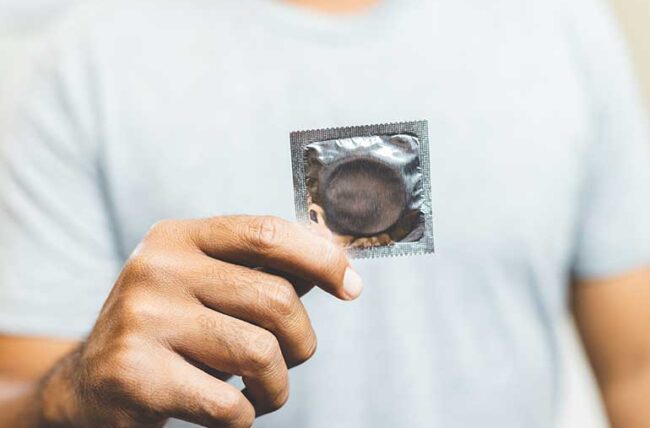
- Condoms.
- Patches.
- Vaginal rings
Some studies suggest that estrogen can affect milk production, while others do not. Your doctor may recommend that you use contraception methods without estrogen, like a progesterone only pill (also known as the “mini pill”) or specific IUDs if you are breastfeeding.
Dr. Zuponcic says that some long-term birth controls, such as IUDs or implants, can even be administered before you leave the hospital following the birth of your child. It’s great to know that you are protected against an unplanned pregnancy when you leave the hospital.
What is natural family planning?
is not as effective as natural family planning or other forms of birthcontrol, but it appeals to people who are concerned about the side effects or don’t believe in other methods.
The rhythm method involves analyzing your menstrual cycle to determine the fertile days of each month. The rhythm method, when used correctly, is 76% effective at preventing pregnancy. As a comparison, Dr. Zuponcic claims that the Nexplanon(r) hormonal implant is 99.99% effective.
The rhythm method, if followed exactly, can help to avoid unplanned pregnancy after delivery. She warns you to delay intercourse until your period returns to a regular cycle.
Dr. Zuponcic reminds us that you can become pregnant even before your first period. You’ll have to wait until your period has stabilized before you can accurately predict your fertility window.
Breastfeeding prevents pregnancy?
It may take you longer to ovulate if you are breastfeeding. Breastfeeding is a good way to prevent pregnancy at an early stage, but it shouldn’t be used exclusively as a method of contraception.
“If you’re exclusively breastfeeding — about eight times per day — and not giving the baby formula, that’s a pretty good contraception, for two to three months at most,” says Dr. Zuponcic.
It’s a combination of both your mental and physical readiness that determines when you are “ready-ready” for sex. Talk to your doctor about any concerns you have and listen to your body. You may not remember your first sex experience, but you can find it with patience and time.