You deserve to have a sexual life that is healthy and enjoyable. We all do. Sex is an essential human function. Good sex is good for your mind and body.
You may have noticed that you don’t get as many orgasms as you used too. You may have been chasing after orgasms all your life without getting satisfaction.
Sexual Dysfunction affects 30 to 40 percent of women, and people who were assigned female at birth. Some sexual problems are related to libido or interest in sex. This is called hypoactive desire disorder and it is quite common. It’s not uncommon to have a strong desire for sex, but be unable to achieve orgasm. In medical jargon, it’s known as anorgasmia.
Anorgasmia can affect cisgender people, nonbinary women with vaginas and transwomen. Anorgasmia can occur at any stage of your sexual life.
It’s a good start to know you are not alone. What next?
Salena Zanni, MD is an Ob/Gyn who explains why people and women AFAB may have trouble achieving orgasm, and what they can do to fix it.
Orgasms are not easy to come by
It’s not often that we think about the steps to take from “That’s nice” to a sexual release. But it is a complex process.
Your mind must be clear and focused. “Your nerves must remain sensitive and your blood flow needs to be directed to the correct places,” Dr. Zanotti says. There are physical, mental and emotional aspects to sex. Unfortunately, many problems can prevent you from experiencing orgasm.
She says that while only 10% of women are climactic, many don’t even orgasm during vaginal sex.
Dr. Zanotti says, “I have seen many patients in my office who are relieved to know that they’re ‘normal’ if they’re having trouble climaxing vaginal sex.” It’s important to know that this is a very common experience.
Women’s reasons for not orgasming
Some medical conditions or lifestyle factors may be preventing some people from experiencing an orgasm. Some of the most common ones are:
- Certain medications including antidepressants, and selective serotonin reuptake inhibitors (SSRIs).
- Hormonal imbalances, especially after menopause.
- Medical conditions such as diabetes, hypertension and HTML2_ high blood pressure HTML2_.
- Sleep disorders.
- Factors of lifestyle, such as a lack or exercise and excessive drinking and smoking.
Dr. Zanotti says that if you believe medication, hormonal change or a medical problem is affecting the way you sex, your healthcare provider may be able to help. Sexual dysfunction can be embarrassing for some people, but your healthcare provider is there to help and not to judge.
Know your erogenous zones
In the absence of hormonal imbalances or medical conditions, a physical reason may be the cause. Some people may not receive the attention their most sensitive areas deserve during vaginal sex.
Orgasm can be achieved by stimulating the erogenous areas during sexual contact. These are the areas of your body where your sexual juices flow.
You can stimulate your sexuality in places that are not even directly connected to your genitals. These include your lips, breasts, and neck.
Also, the area between your legs contains a lot of nerve endings that can be used to induce pleasure. While you may know where to find the best spots, it’s not always obvious.
Dr. Zanotti says that while your vaginal opening can be an erogenous area, it might not be the most delicate. This is one reason why vaginal intercourse may not be enough to satisfy you.
You may be able to get more sexual pleasure by stimulating these other zones during vaginal contact or even on their own.
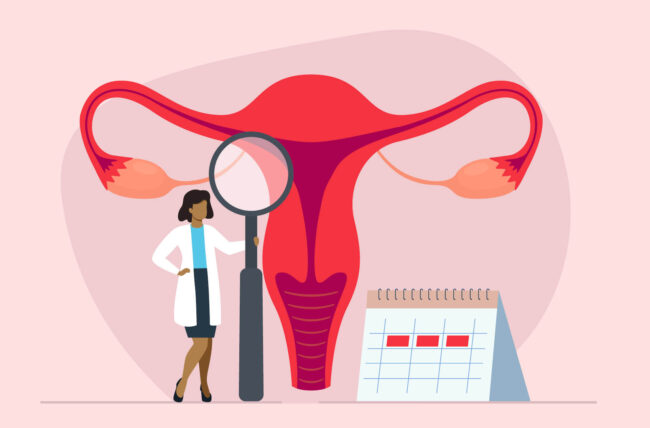
- Your clitoris : the “pleasure centre” of your anatomy. Its sole purpose in life is to provide you with sexual pleasure. The clitoris is often thought of as the bean-shaped area where your labia (vaginal lip) meet. However, it extends into your pelvic cavity. Mirrors can be used to show that the clitoris is shaped like a wishbone, or an upside-down “V”, with the “bean,” at the top, and the “legs,” extending downward. The entire clitoris has a high level of sensitivity. Your clitoris may be stimulated by vaginal intercourse. Contact with the tongue during oral sex, or with toys or fingers can also bring about sexual pleasure and even orgasms.
- G-spot : The G-spot, also known as Grafenberg spot is located just inside the vagina and can cause sexual orgasms. It can be felt by putting a finger into your vagina, and then making a “come here” motion towards your front vaginal walls. It can also be stimulated by vaginal contact, though you may find that toys or your fingers are more effective.
Treatment is available
You’ve eliminated medical causes, tested various erogenous areas and… no fireworks? It’s not you. It’s not you. Dr. Zanotti says there are alternatives.
Medication
Women and people AFAB with anorgasmia can benefit from certain medications.
Some people can benefit from the antidepressant and smoke cessation drug Bupropion. It is also known as Wellbutrin (r). Some providers will prescribe the erectile disorder drug Viagra to treat sexual dysfunction, especially in patients taking SSRI antidepressants.
Topical Treatment
You may be recommended a topical cream called “Scream Cream” by your provider. It is a prescription cream that has been custom blended and made at a compounding pharmacie. Apply it on your clitoris 15-30 minutes before sexual contact to increase blood circulation. Although it’s not scientifically proven effective, Dr. Zanotti said that some people might find it helps increase sensitivity and orgasm.
Stimulation
Two devices have been approved by the U.S. Food and Drug Administration to help women experience orgasm.
The Intensity(tm), for example, is one such device. It stimulates both the pelvic muscle that contracts with climax, and direct clitoral stimuli. Eros is another prescription device that uses a gentle suction to stimulate blood flow in the clitoris. The device can be used for sex, masturbation, or to condition your sexual response.
Speak with your healthcare provider
Sexual dysfunction encompasses a wide range of issues. Orgasmic dysfunction is just one. These include low libido and painful sex. They can also be accompanied by difficulty in being aroused or sexual aversion.
Dr. Zanotti says, “All these issues are real.” Sexual dysfunction can be distressing and affect your relationships as well as yourself. Many people are unaware that there are treatments available.
Sexual dysfunction can isolate you. It can be frustrating. You may not be able to fully enjoy the sexual life that you deserve. Do not hesitate to speak with your doctor. This is a real issue. There are also real solutions.