It is a unique experience to give birth to a child. No matter if this is your first birth or a previous one, every postpartum healing experience will be different.
Postpartum, or the fourth trimester, can bring with it some discomfort. Expect to feel tired, sore and go through some emotional changes. Your body is undergoing a major transformation, and hormones are also changing quickly.
You may also wonder if your experience is just a normal labor recovery, or if it’s a sign that should be taken more seriously.
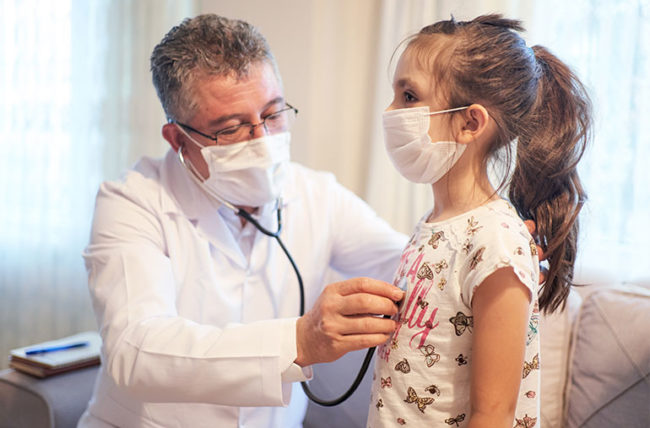
Salena Zanni, MD is an Ob/Gyn who explains what symptoms to look out for after a pregnancy.
Postpartum health: warning signs and symptoms
Your provider will probably give you some advice before you leave the hospital. They’ll tell you what to expect after birth and how you can contact them. You may not remember everything because you are probably thinking about other things at the time.
“It can be difficult to know exactly what you should ask for or watch out for after delivery until it actually happens,” says Dr. Zanotti. Everyone recovers differently from delivery. It’s always a good idea to ask questions if you are experiencing something that is worrying you. It can help to ease your mind.
Dr. Zanotti explains the top signs and symptoms you should not ignore after childbirth.
1. Heavy bleeding
It is normal to expect postpartum bleeding. The bleeding that occurs after delivery, also known as lochia can be heavy in the first few days.
Dr. Zanotti says that “Lochia” is the body’s way of removing any remaining blood, tissues and other materials following pregnancy.
Bleeding is often dark and heavy at first. After about three days, the bleeding should begin to slow down and lighten in color. It is possible for light bleeding to last six weeks.
Postpartum bleeding is a common occurrence, whether you gave birth vaginally (via a C-section) or via cesarean section. C-sections can cause less bleeding, but the postpartum bleeding may last for several weeks.
Your provider will suggest that you use a maxipad to stop the bleeding, not a tampon. No matter how you gave birth, you should not insert anything into your vagina before you have been cleared by your doctor, which is usually six weeks after the delivery.
By the time you leave hospital, bleeding will usually be less. Contact your provider if you continue to need to change pads every hour or you pass blood clots that are larger than golf balls. These symptoms can indicate postpartum bleeding.
Check with your doctor if the bleeding continues to increase after it initially decreased or if there are signs of infection such as foul-smelling discharge.
2. Constant abdominal pain or cramping
During pregnancy, your uterus expands. It will start to shrink after delivery. It can take a while, and cramping may occur.
“Cramping can be intense during the postpartum period — some people describe it as a contraction,” says Dr. Zanotti. “Breastfeeding/chestfeeding accelerates the process, too. These twinges can be more noticeable in the early weeks.
Normal are cramps that last less than five minutes. If you are experiencing severe pain or a steady level of discomfort, contact your healthcare provider.
A persistent abdominal pain may be an indication of Postpartum Endometritis. This is a bacterial infection of the lining of the uterus. This pain may be accompanied by fever, chills, or a general feeling of being unwell.
3. Headaches can be severe
Preeclampsia is a serious condition that occurs when you have high blood pressure while pregnant. You may not be aware that preeclampsia can also develop after birth. This is true whether or not you had high blood pressure during pregnancy.
Most of us don’t check our blood pressure regularly at home.
Dr. Zanotti states that a severe headache is one of the symptoms most people experience with postpartum preeclampsia. You may also have:
- Changes in vision such as blurred vision or light-sensitivity.
- Swelling in your hands, feet, face or limbs.
Postpartum preeclampsia can be serious but is very rare. Most commonly, it occurs in the first couple of days following delivery. However, it can occur up to six months after birth. If you experience headaches or any other symptoms, contact your healthcare provider.
4. Complications of tears or incisions
Most women go home with stitches after giving birth. This can be caused by tearing, an Episiotomy cut (a provider’s aid to delivery), or a C section incision.
Stitches and tears usually heal on their own. Talk to your provider before you leave the hospital about what to expect during healing.
In rare instances, tears, episiotomies, and incisions can become infected. If you notice a foul-smelling discharge, a fever or your pain is getting worse, seek medical attention.
5. Incontinence
You may experience some leakage of urine at the end and in the early weeks following childbirth. Dr. Zanotti suggests Kegel Exercises for most people to tighten your pelvic muscles and stop the leakage.
Some women may experience bowel leakage, especially if there was a large tear during the delivery.
Speak to your doctor if you experience leaking urine or gas, or have any weakness in the pelvic floor. Pelvic floor physical therapy may be beneficial to you.
6. Burning or frequent peeing
After giving birth, it’s not uncommon to experience some discomfort when urinating. You may feel a little sting when you pee if you have had stitches. You may be advised to use a squirt with water at room temperature to relieve the pain while peeing and clean yourself. This discomfort should start to diminish within the first few weeks after delivery.
Some people experience a more intense feeling, which may be an indication of a Urinary Tract Infection. After giving birth, UTIs can be common. This is especially true if you used a catheter.
Speak to your provider if the pain or pressure when peeing is sharp, or if there’s a burning sensation.
7. Leg pain
According to Dr. Zanotti, after giving birth you are at an increased risk of blood clots. This is not just because of the uterine lining that has been shed.
She explains that during pregnancy your blood volume will increase to help care for the growing fetus. After giving birth, blood can clot easier, increasing your risk of developing blood clots that can travel throughout your body.
Blood clots are most commonly found in the legs during postpartum recovery. This is partly because your legs may receive less blood during late pregnancy.
Leg pain and swelling are signs of a blood-clot, or deep veinthrombosis. If you experience any of these symptoms, contact your doctor immediately.
8. Chest pain or difficulty breathing
Blood clots may travel from the leg to the lung, stopping blood flow. This is known as a lung embolism and can be serious.
Shortness of breath, chest discomfort and coughing are all symptoms of pulmonary embolism. You may also cough up bloody sputum.
You should seek medical attention immediately if you suspect you may be suffering from symptoms of a lung embolism. Seek immediate medical attention.
9. Breast pain or burning
Your breasts will undergo some changes after giving birth as your milk production increases and regulates. Normal breast swelling and discomfort is normal in the weeks following birth.
You’ll get used to knowing what is normal and what is not, when it comes changes in your breasts. Some lumps or feelings of “fullness”, can appear and disappear between feedings.
If you are breastfeeding and have symptoms such as breasts that feel painful, hot, or red, this could be an indication of Mastitis. Mastitis can occur when your milk ducts are clogged.
If you notice any of these symptoms, speak to your doctor. Most cases of mastitis will require antibiotics. Untreated mastitis may lead to a abscess.
10. Feelings of sadness or the desire to hurt yourself or others
About 70% to 80% women experience feelings of sadness after giving birth. The baby blues are what it’s called. It is a normal response to fatigue and hormonal fluctuations that occur after delivery.
You can get emotional support by asking for help. The baby blues should begin to fade about two weeks following delivery. But it’s not always the case.
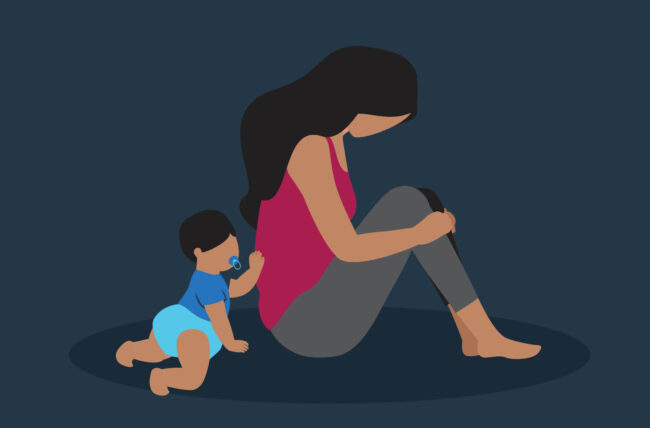
Postpartum Depression is characterized by feelings of sadness that persist, feelings of overwhelm and thoughts about harming yourself or the baby. Contact a healthcare provider if your symptoms continue to worsen or persist.
“Many people believe that they are on top of everything after having a child, but it is not the case for many people,” says Dr. Zanotti.
The first few weeks following delivery can be very stressful. You should seek treatment if you feel overwhelmed or unable to care for yourself and your baby. This is a sign of postpartum depressive disorder. It’s important for both your health and the well-being of your child.